
Description
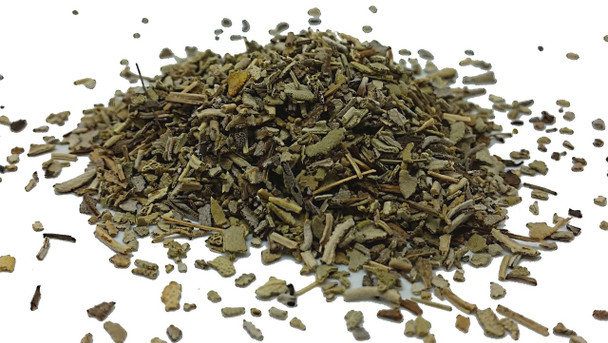
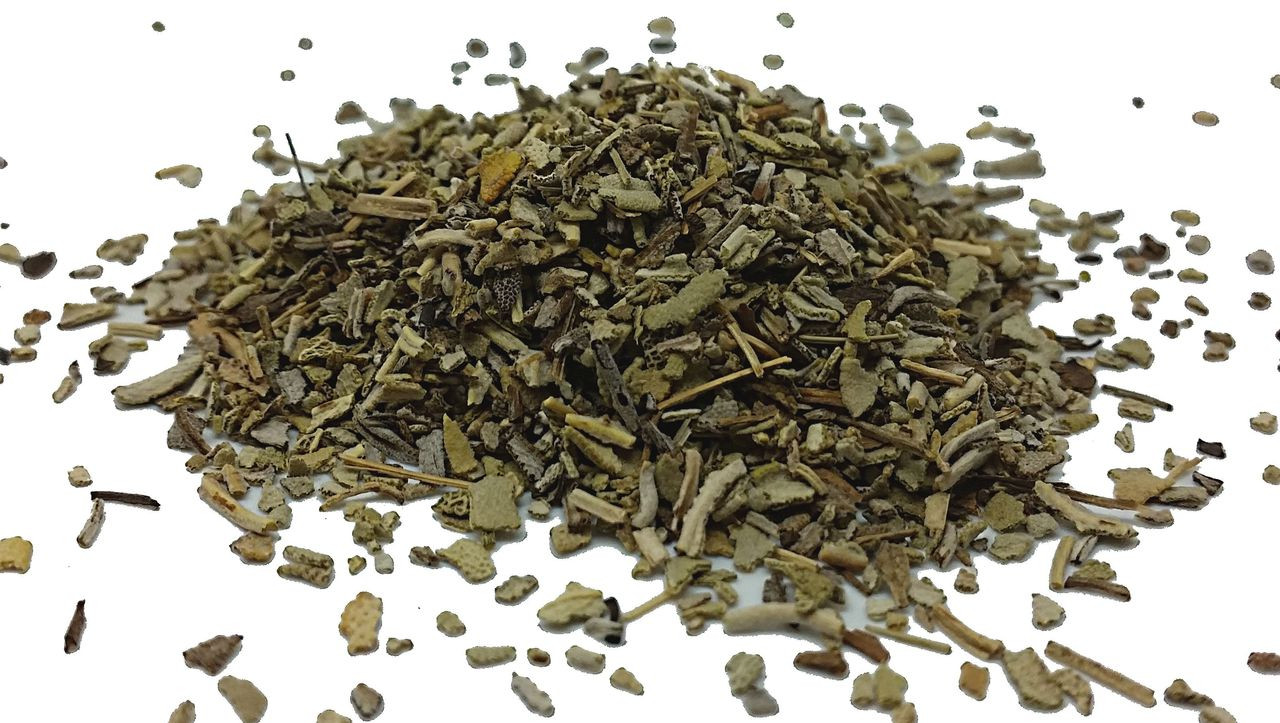
Sage is mention in recipes, herbals to warding off evil spirits, even the great bard uses the word Sage to describe wisdom, sage has been with us for a very long time
The closest most of come to sage these days is sage and onion stuffing but with so many uses in so many dishes or just marinating meat and vegetables, sage is a wonderful herb great for everyday use and every day good feelings
Grown in Egypt
Nutrition Facts Sage
Amount Per 100 grams
Calories 315
Total Fat 13 g
Saturated fat 7 g
Polyunsaturated fat 1.8 g
Monounsaturated fat 1.9 g
Sodium 11 mg
Total Carbohydrate 61 g
Dietary fibre 40 g
Sugar 1.7 g
Protein 11 g
Packed in a Unit that handles Sesame Seeds, Mustard and Celery
Sage - Quick Reference
What is it?: Dried sage leaves with a strong savoury character suited to rich foods.
Flavour: Earthy, musky and slightly peppery with eucalyptus, pine and warm bitter notes.
Common uses: Stuffing, sausages, pork, poultry, squash, beans, browned butter and roast vegetables.
Pairs well with: Onion, thyme, rosemary, garlic, pork, chicken, squash and butter.
How to use: Use moderately and allow time to cook, as raw dried sage can taste harsh.
Compare with: More muscular and musky than thyme or marjoram.
Substitute: Thyme can replace it in lighter dishes, though without sage's distinctive warmth.
Storage: Keep sealed away from moisture and direct sunlight.
Good to know: Sage has a natural affinity with fat, which is why it works particularly well with pork, butter and rich stuffing mixtures.
Customer Reviews
-
A great
A great store-cupboard standby. Smells glorious.
-
Amazing taste
Amazing taste and flavour