Let’s get the obvious out of the way first: 15 February marks Lupercalia — an ancient Roman festival celebrating the return of life after winter. Days becoming noticeably longer, fresh shoots beginning to appear (especially around the Mediterranean), and the natural world was quietly stirring again. Lupercalia was already around 1,200 years old when it was replaced with the 14th — even the Romans regarded it as an ancient, deeply seasonal tradition.
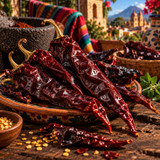
Stores of dried and preserved foods were being used up, often brought together in shared pot meals — slow, sustaining dishes made to feed family and friends as winter loosened its grip.
In AD 496, Pope Gelasius I introduced St Valentine’s Day to replace Lupercalia, carrying forward many of the same underlying ideas: renewal, continuity, and the promise of returning light. Romance, however, came much later. It wasn’t until 1382, when Chaucer wrote “For this was on Saint Valentine’s Day, When every bird cometh there to choose his mate,”, that the day began its long journey toward what we now recognise as Valentine’s. He has, it must be said, a lot to answer for.
As believers in the enduring love of good food, we’ll be quietly celebrating Lupercalia this week — with warming aromas and flavours that mark the closing of winter and the early hints of spring.
However you choose to mark this time of year, enjoy it all. Steve & the Spice Team