
Description

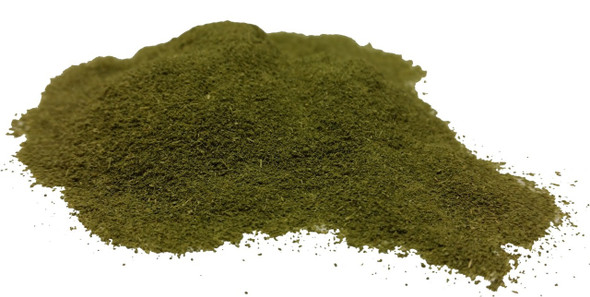
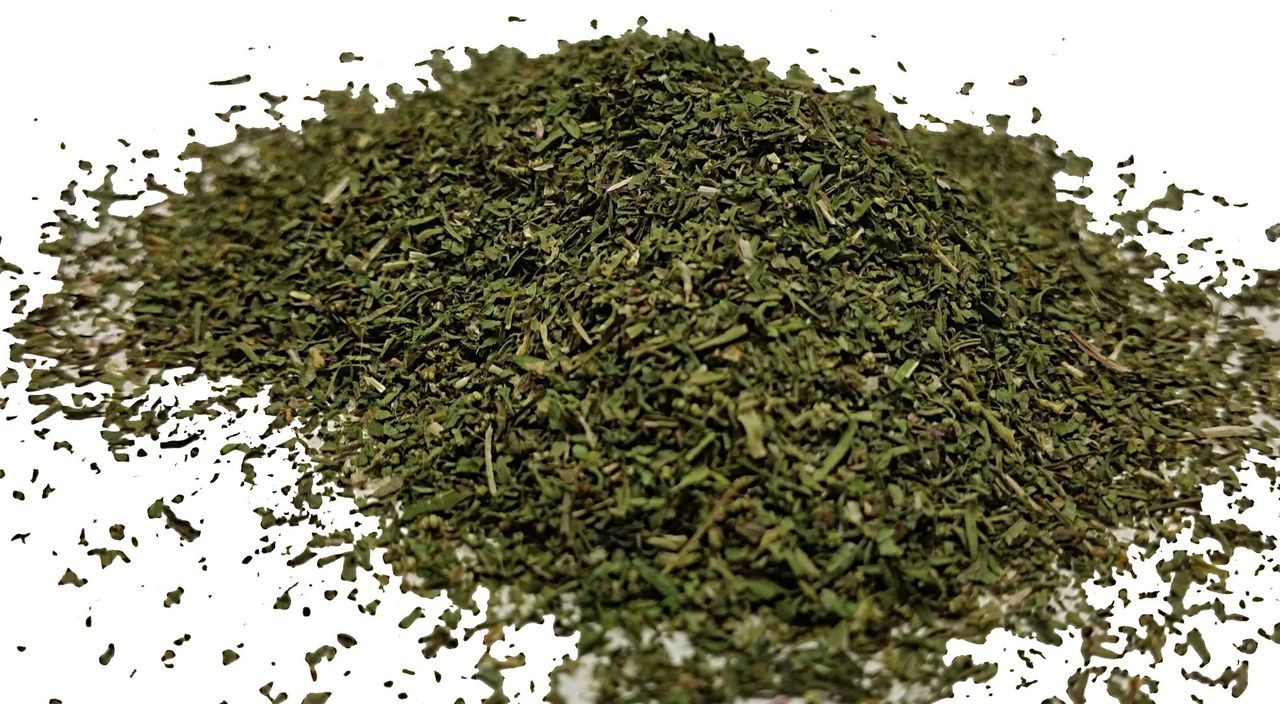
Coriander Leaf Cut
Coriander is mostly known for its seeds but also for its Leaves
The flavour from Coriander leaves is very different to that of the seeds producing a warm nutty flavour
Coriander has been incorporated into many cuisines and used for thousands of years for a good reason
Leaves are used in various forms, in butter and smeared on flat breads is our favourite use
Coriander is also known as Cilantro
Grown in the UK Cut to uniform size
Nutrition Facts Coriander leaves
Amount Per
100 grams
Calories 346
Total Fat 17.8 g
Saturated fat 1 g
Sodium 9 mg
Total Carbohydrate 13.1g
Dietary fibre 41.9 g
Sugar 3.1 g
Protein 12.4g
Packed in a Unit that handles Sesame Seeds, Mustard and Celery
Coriander Leaf English - Quick Reference
What is it?: Dried coriander leaf, also known as dried cilantro leaf in some countries.
Flavour: Mildly citrusy, grassy and herbal, softer than fresh coriander leaf.
Common uses: Curries, soups, sauces, rice, marinades, dips and dry seasoning blends.
How to use: Add during cooking so the dried leaf can rehydrate, or sprinkle near the end for a lighter herbal note.
Compare with: Dried coriander leaf is gentler and less bright than fresh leaf; coriander seed has a different, warmer citrus-spice flavour.
Substitute: Dried parsley can provide colour and mild herbiness, though it lacks coriander character.
Storage: Store in a cool, dry place away from direct sunlight and moisture. Keep sealed to protect the aroma and flavour.
Good to know: The leaf and seed come from the same plant but taste distinctly different and are not direct substitutes.
Customer Reviews
-
One of
One of my favourites l use it in so many dishes. Adds flavour to most anything.
-
Brilliant to
Brilliant to use in place of fresh coriander
-
Amazing products
Amazing products great taste far better than any supermarket purchased herbs and spices. Full of flavour. Highly recommended
-
Amazing taste
Amazing taste and flavour