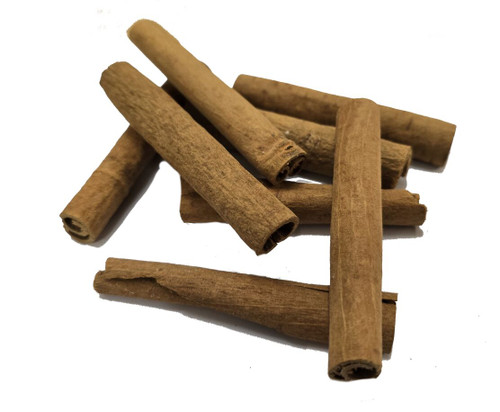
There was a time when cinnamon felt endless — a quiet constant in kitchens, drifting through sweet buns, slow stews, and spiced tea. But behind that familiar warmth, the story has been shifting. Across Sri Lanka and Indonesia, the flow of cinnamon has slowed, not with a single cause, but through a gathering of pressures that are as human as they are natural.
The trees themselves are feeling the change. Rainfall arrives differently now, seasons blur, and the delicate process of harvesting bark becomes less predictable. Cinnamon cannot simply be cut and collected — it must be coaxed, timed, and handled with care. When the rhythm of nature shifts, so too does the yield, and what once came steadily now arrives in smaller, more uncertain waves.
Yet perhaps the deeper change lies in the hands behind the harvest. True cinnamon, especially from Sri Lanka, is a craft — peeled by skilled workers who have learned the trade over years. But fewer are stepping into that role. Younger generations are choosing different paths, and with them, a quiet knowledge risks fading. Without those hands, even healthy trees cannot become the cinnamon we know.
At the same time, the world is asking for more 8-12% annually. Cinnamon is no longer just a cupboard staple; it’s woven into wellness, perfumery, and global cuisine. Demand rises, while supply tightens — and so the balance shifts. This is where Vietnam enters the story. Somewhere between Cassia and Ceylon, can be used as a substitute for either or in authentic cooking, and more readily available. Not a replacement, but a continuation… a reminder that even as traditions evolve, the journey of flavour always finds a way forward.
Enjoy this weeks flavours Steve and the Spice Team