Description

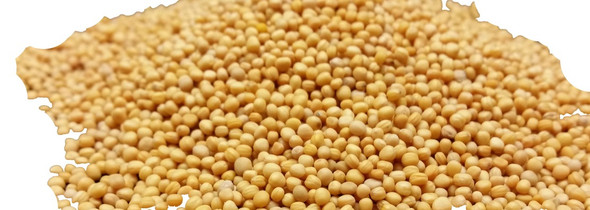
Mustard Seeds is a spice that has crossed over all cultures from mustard on hot dogs to English mustard, Dijon mustard, Indian cuisines, the list goes on
The way you cook mustard seeds makes all the difference to how the flavour comes through, cracked and cooked provides a harsh hotter flavour - more English to the soaked method producing a soft mustard flavour - favoured by America
There is a lot of confusion with Mustard seeds Brown or Black, it’s the same seed - in some cultures they are known as Brown and others Black
Mustard Seeds are grown and dried in India
Packed in a unit that handles - MUSTARD - CELERY - SESAME
Mustard Seeds Black/Brown Organic - Quick Reference
What is it?: Organic black or brown mustard seeds are dark, pungent mustard seeds used widely in Indian cooking, pickling and robust condiments.
Flavour: Earthy, nutty and strongly pungent when crushed, becoming toasted and savoury when fried whole.
Common uses: Tempering, curries, lentils, pickles, chutneys, vegetable dishes and homemade mustard.
Pairs well with: Curry leaves, cumin, fenugreek, turmeric, chilli, vinegar, cabbage and potato.
How to use: Fry briefly in hot oil until the seeds begin to pop, then add the remaining ingredients. Remove from heat if they start to darken excessively.
Compare with: Stronger and hotter than yellow mustard seed, with greater impact in spice-forward dishes.
Substitute: Yellow mustard seed gives a milder substitute but lacks the same sharp depth.
Storage: Store airtight in a cool, dry cupboard.
Good to know: The same seed can taste nutty or fiercely pungent depending on whether it is fried whole or crushed with liquid.